A Guide to Effective API Rate Limiting
Managing traffic for optimal performance.
Effective API rate limiting is a crucial component in modern application development. As the demand for services continues to grow, APIs are often the backbone of connectivity between various systems, applications, and users. However, with increased traffic comes the potential for abuse, overloading, and performance degradation. This guide delves into the best practices for implementing API rate limiting, offering insights into how it can optimize performance and safeguard your services from misuse.
Rate limiting is not merely a defensive tactic; it is also a strategic approach for managing traffic efficiently. By controlling the number of requests a client can make to an API within a specified timeframe, developers can ensure that resources remain accessible and responsive, ultimately leading to a better user experience.
Understanding Rate Limiting
At its core, rate limiting refers to the control mechanisms placed on API calls to prevent excessive use. It restricts how often a user can make requests, thus minimizing the risk of server overload. Various strategies can be employed, such as token buckets, leaky buckets, or fixed windows, each offering different advantages depending on the use case.
“Rate limiting is essential for maintaining service reliability and performance.”
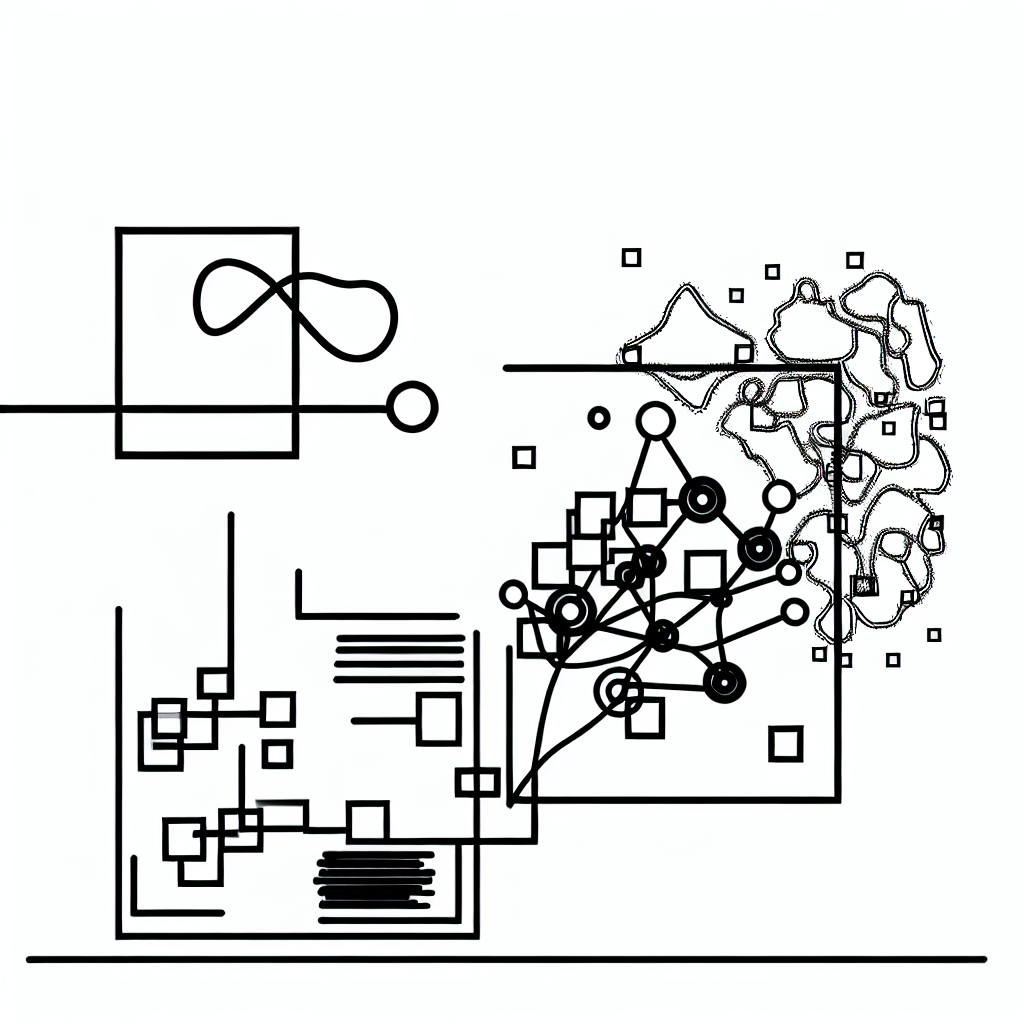
For instance, a token bucket method allows users to accumulate tokens over time, granting them a certain number of requests at their disposal. This approach can be particularly beneficial during peak usage times, as it allows flexibility while ensuring that the overall system remains stable. On the other hand, a fixed window approach restricts the number of requests to a set limit within defined intervals, which can be simpler to implement but might lead to spikes in usage at the beginning of each window.
The choice of strategy largely depends on the anticipated traffic patterns and the specific needs of the application. Understanding user behavior is fundamental; developers can tailor their rate limiting strategies to align with how users interact with the API, thus optimizing both performance and user satisfaction.
Implementing Best Practices
When it comes to implementing effective rate limiting, several best practices can be adopted. First and foremost, it is crucial to establish clear rate limits based on the expected usage and system capabilities. These limits should reflect the balance between accessibility for users and the protection of server resources.
Another vital aspect is to communicate these limits transparently. By providing users with explicit information about their rate limits, developers can foster a better understanding of the API’s capabilities and constraints. This can be achieved through proper documentation, including headers in responses that notify users when they are approaching their limits.
Additionally, implementing graceful degradation is a recommended practice. When users hit their limits, the API can return a clear message explaining the situation rather than a generic error response. This not only improves user experience but also helps in troubleshooting and guiding users on how to adjust their request patterns.

Monitoring and Analytics
To refine rate limiting strategies, it is imperative to continuously monitor API usage and performance. This involves collecting and analyzing data on request patterns, peak usage times, and error rates. By leveraging analytics tools, developers can gain insights into how users interact with the API and identify trends that may necessitate adjustments to the rate limits.
“Effective monitoring allows for proactive adjustments to rate limiting strategies, ensuring optimal API performance.”
For example, if analytics reveal that certain users consistently hit their limits, it may indicate a need to adjust those limits or consider a tiered pricing model for heavy users. Conversely, if the data shows that limits are being underutilized, it might be an opportunity to loosen restrictions, thus improving overall user satisfaction without compromising performance.
Security Considerations

Rate limiting also plays a significant role in security. By controlling the rate of requests, APIs can mitigate various forms of attacks, such as DDoS attacks or brute force attempts. Setting appropriate thresholds can effectively deter malicious users while preserving access for legitimate traffic.
Furthermore, combining rate limiting with other security measures, such as IP whitelisting or blacklisting, can create a more robust defense mechanism. By analyzing request patterns and flagging suspicious activity, developers can act quickly to protect their services.
Conclusion
In summary, effective API rate limiting is essential for maintaining optimal performance and safeguarding against abuse. By understanding the principles behind rate limiting, implementing best practices, and continuously monitoring usage, developers can create resilient APIs that meet user demands while protecting server resources.
As APIs continue to evolve, so too should the strategies employed to manage them. Staying informed about new techniques and adapting to changing traffic patterns will ensure that your API remains efficient and secure.