Enhancements in Cloud Compliance Strategies
Navigating evolving compliance requirements in cloud environments.
The landscape of cloud compliance is continuously evolving, driven by emerging regulations and the increasing complexity of cloud environments. Organizations are facing pressure to align their operations with a myriad of compliance requirements, which can be both daunting and intricate. Enhancements in cloud compliance strategies are essential to navigate these challenges effectively, ensuring that companies maintain data integrity, security, and adherence to legal standards. This article delves into the latest advancements in cloud compliance strategies, offering insights into best practices that organizations can adopt to adapt to new regulations.
As businesses increasingly rely on cloud services, the need for robust compliance strategies becomes paramount.
Understanding Cloud Compliance
Cloud compliance refers to the adherence to regulations and standards that govern data security, privacy, and management within cloud environments. With numerous standards such as GDPR, HIPAA, and PCI-DSS, organizations must understand the specific requirements that apply to their operations. Compliance frameworks help businesses establish processes to manage data in ways that meet legal and contractual obligations while minimizing risks.
Research indicates that organizations that prioritize compliance not only protect their data but also enhance their reputation among customers and stakeholders. By adopting comprehensive compliance strategies, businesses can build trust and ensure long-term sustainability. These strategies typically involve risk assessments, regular audits, and the implementation of security controls tailored to the cloud environment.
“Compliance is not just a checkbox; it is an ongoing commitment to security and ethical data handling.”
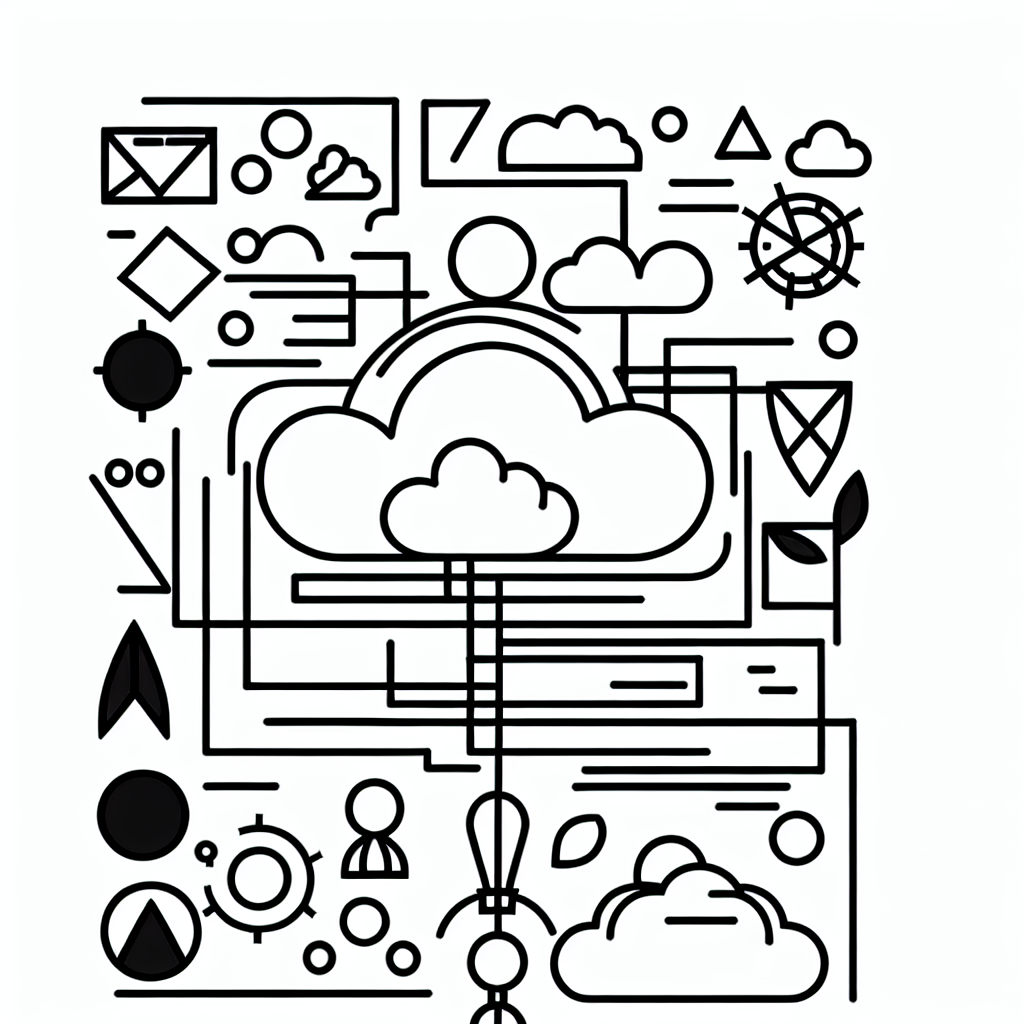
A critical aspect of effective cloud compliance is the dynamic nature of regulations themselves. As technology evolves, so do the rules that govern it. Organizations must stay informed about changes in compliance requirements and be prepared to adapt their strategies accordingly. This often involves investing in specialized compliance tools and technologies that can automate processes and improve monitoring capabilities.
Best Practices for Cloud Compliance
Implementing best practices for cloud compliance is vital for ensuring that organizations remain compliant in a rapidly changing environment. One of the foremost strategies is to maintain a comprehensive inventory of all cloud services and data. This inventory should include details on where data is stored, how it is processed, and the compliance requirements applicable to each service. By having this knowledge, organizations can better assess their compliance posture and identify areas that need improvement.
Another essential practice is to conduct regular training and awareness programs for employees. Since human error is a significant factor in data breaches, educating staff about compliance requirements, data handling best practices, and security measures can substantially mitigate risks. Research suggests that organizations with a strong culture of compliance are more likely to succeed in their efforts to manage cloud risks effectively.
The integration of security and compliance tools can also enhance organizations’ ability to meet compliance requirements. These tools can automate monitoring, reporting, and incident response, allowing teams to focus on strategic initiatives rather than manual compliance checks. Moreover, many compliance tools are designed to align with specific regulations, making it easier for organizations to demonstrate adherence during audits.
Leveraging Technology in Compliance Strategies

Technological advancements play a crucial role in enhancing cloud compliance strategies. Organizations are increasingly turning to cloud compliance management platforms that provide a centralized view of compliance status across various cloud services. These platforms often incorporate features such as data loss prevention, encryption, and access controls, which are essential for maintaining compliance.
Evidence suggests that leveraging automation in compliance processes can lead to improved efficiency and accuracy. Automated reporting tools can generate compliance reports with minimal manual intervention, reducing the risk of human error and ensuring timely submissions. Additionally, cloud service providers often offer compliance certifications, which can simplify the validation process for organizations seeking to prove their compliance status.
“Automation in compliance processes not only saves time but also enhances accuracy and reduces the risk of non-compliance.”
The use of artificial intelligence (AI) and machine learning (ML) in compliance monitoring is another promising trend. These technologies can analyze vast amounts of data to identify patterns and anomalies that may indicate compliance risks. By enabling proactive risk management, AI and ML empower organizations to address potential issues before they escalate.
The Role of Collaboration in Compliance
Collaboration between different departments within an organization is essential for effective cloud compliance. The integration of IT, legal, and compliance teams can lead to a more cohesive approach to managing compliance challenges. By fostering communication and collaboration, organizations can ensure that all stakeholders are aligned and aware of their compliance responsibilities.

Working closely with cloud service providers is equally important. Many providers offer resources and support to help organizations navigate compliance requirements effectively. Establishing strong relationships with these providers can facilitate access to the latest compliance tools, resources, and best practices. Organizations that actively engage with their cloud vendors are typically better equipped to handle compliance challenges.
As compliance requirements continue to evolve, organizations must be agile in their approach. This agility involves regularly reviewing and updating compliance strategies to reflect changes in regulations, technological advancements, and organizational goals. By embracing a culture of continuous improvement, businesses can ensure that they remain compliant and can adapt to future changes with confidence.
Conclusion
Enhancements in cloud compliance strategies are vital for organizations operating in today’s complex regulatory landscape. By understanding the nuances of cloud compliance, implementing best practices, leveraging technology, and fostering collaboration, businesses can navigate evolving compliance requirements more effectively. A proactive and adaptive approach to compliance not only mitigates risks but also positions organizations for long-term success in the cloud.