Updates on Cybersecurity Best Practices
Enhancing strategies for data protection.
In an increasingly interconnected world, the importance of cybersecurity cannot be overstated. With sensitive data being consistently targeted by cybercriminals, organizations must prioritize the implementation of robust best practices to safeguard their information. Recent trends indicate that effective cybersecurity measures not only protect data but also enhance overall organizational integrity and trust. This article delves into the latest best practices in cybersecurity, highlighting strategies that organizations should adopt to fortify their defenses.
Cybersecurity is not just a technical concern; it is a fundamental aspect of organizational strategy.
Understanding Cybersecurity Risks
Cybersecurity risks have evolved dramatically over the years, driven largely by advancements in technology and the increasing sophistication of cyber threats. Organizations are now facing challenges that range from phishing attacks to advanced persistent threats (APTs). Understanding these risks is the first step toward mitigating them. Common vulnerabilities include outdated software, weak passwords, and insufficient employee training. These gaps can create entry points for cyber attackers, leading to data breaches that can have far-reaching consequences.
“The most effective cybersecurity strategies begin with a comprehensive risk assessment to identify potential vulnerabilities.”
Conducting a thorough risk assessment allows organizations to identify where their weaknesses lie. By understanding these vulnerabilities, companies can implement tailored security measures that address specific threats. This proactive approach not only strengthens defenses but also fosters a culture of security awareness among employees. With continuous education and training, organizations can reduce the likelihood of falling prey to cyber threats.
Implementing Strong Access Controls
One of the cornerstone principles of cybersecurity is the enforcement of strong access controls. Limiting access to sensitive data is vital in preventing unauthorized use. Organizations should implement role-based access control (RBAC) to ensure that employees can only access the information necessary for their roles. This minimizes the risk of data exposure and ensures that sensitive information remains secure.
Moreover, the practice of regularly reviewing and updating access permissions plays a crucial role in maintaining robust security. As employees change roles or leave the organization, outdated access rights can create unnecessary vulnerabilities. By instituting a regular review process, organizations can ensure that only the right individuals have access to critical data.
Emphasizing Data Encryption
Data encryption is a powerful tool that organizations can leverage to protect sensitive information. Encryption transforms data into a format that is unreadable without the proper decryption key, making it significantly more challenging for unauthorized parties to access. As organizations increasingly rely on cloud services, implementing encryption protocols for data at rest and in transit has become indispensable.
Research suggests that employing end-to-end encryption can drastically reduce the risk of data breaches. This measure not only protects sensitive information during transmission but also ensures that even if data is intercepted, it remains unreadable. Additionally, organizations should consider adopting strong encryption standards, such as AES-256, which provide a high level of security.
Regular Security Audits and Monitoring
A proactive approach to cybersecurity includes conducting regular security audits and continuous monitoring of systems. Frequent audits help organizations identify vulnerabilities and assess the effectiveness of existing security measures. These assessments can reveal gaps in security policies or outdated technologies that may expose the organization to risks.
Continuous monitoring is equally important, as it allows organizations to detect suspicious activity in real-time. Implementing a Security Information and Event Management (SIEM) system can enhance an organization’s ability to respond to threats quickly. By analyzing data from various sources, SIEM solutions can provide valuable insights and alerts on potential security incidents before they escalate.
“Regular security audits and monitoring are vital components of an effective cybersecurity strategy.”
Establishing an Incident Response Plan
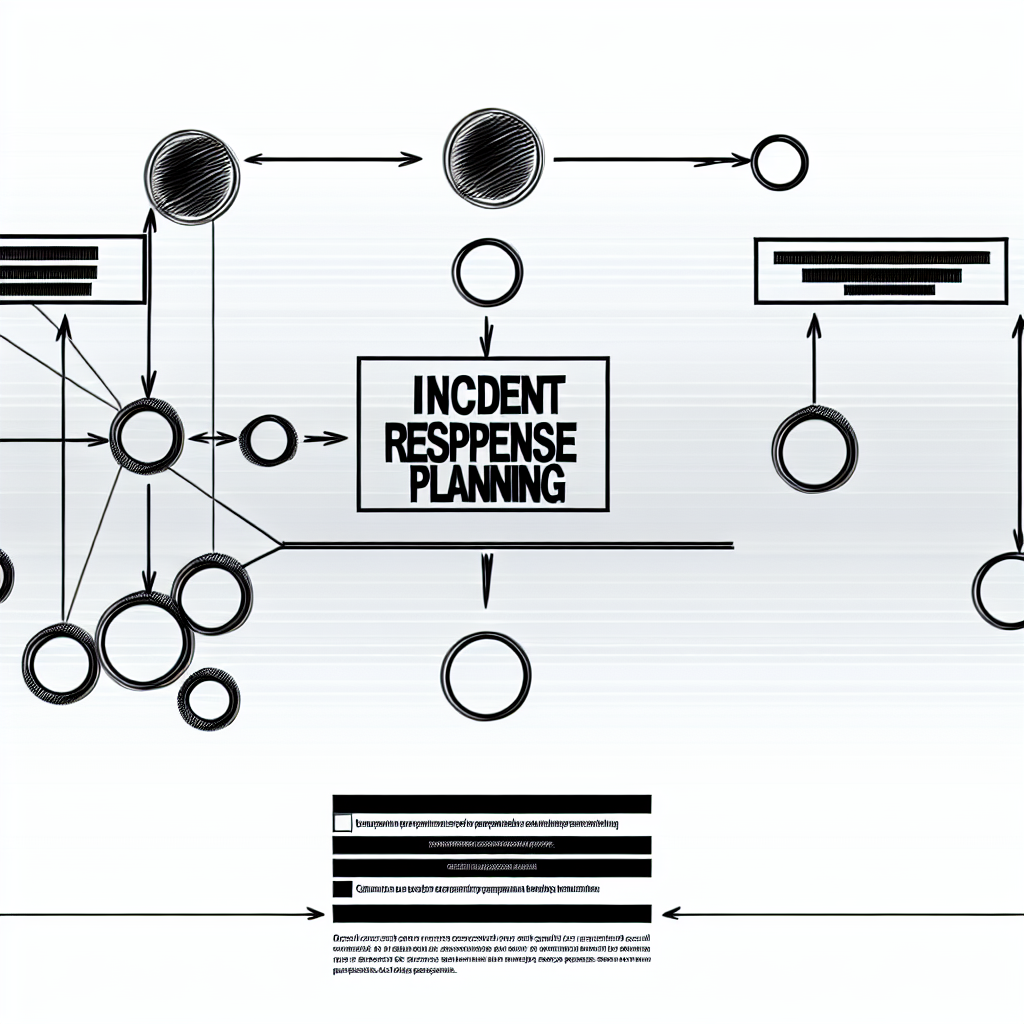
Even with the best preventive measures in place, no organization is entirely immune to cyber threats. Therefore, having a robust incident response plan is essential. An effective plan outlines the procedures to follow in the event of a security breach, including immediate actions, communication strategies, and recovery steps. This structured approach can significantly reduce the impact of an incident, minimizing downtime and data loss.
Training employees on the incident response plan is as important as developing it. Regular drills and simulations can help ensure that everyone understands their roles during a crisis. By fostering a culture of preparedness, organizations can react swiftly and effectively to any cyber incidents that may arise.