Trends in Serverless Computing Architectures
Adopting new paradigms for application deployment
Serverless computing has emerged as a transformative approach to application deployment, fundamentally altering how developers build and manage applications in the cloud. This architecture eliminates the need for traditional server management, allowing developers to focus on writing code rather than managing infrastructure. The trend toward serverless architectures is driven by a combination of factors, including the increasing demand for scalable applications, the need for rapid deployment cycles, and the desire for cost efficiency. As organizations look for ways to streamline their operations and enhance their digital offerings, understanding the latest trends in serverless computing is essential.
The significance of serverless computing can hardly be overstated. It provides a framework in which developers can deploy applications without worrying about the underlying infrastructure, effectively decoupling application code from hardware constraints. This paradigm shift not only promotes agility but also supports a more dynamic and responsive approach to application development.
Understanding Serverless Architecture
At its core, serverless architecture allows developers to run applications without provisioning or managing servers. Instead, cloud providers automatically scale resources based on demand. Functions as a Service (FaaS) is a primary component of this model, where developers write individual functions that are executed in response to events. This design pattern enables applications to scale seamlessly, as resources are allocated dynamically based on the specific workload.
“Serverless computing allows developers to focus solely on code, while the cloud provider manages the infrastructure and scaling.”

This architecture offers several benefits, including reduced operational overhead and improved scalability. By leveraging serverless technologies, organizations can respond to changing user demands more rapidly, deploying new features and updates without the delays typically associated with traditional server management. Furthermore, the pay-as-you-go model prevalent in serverless computing means businesses only pay for the compute time they use, resulting in significant cost savings.
As organizations shift toward cloud-native environments, they increasingly adopt serverless architectures. This transition not only enhances operational efficiency but also improves the overall developer experience. In a serverless environment, developers can experiment and innovate more freely, deploying applications faster and iterating based on user feedback.
The Rise of Event-Driven Architectures
One of the defining characteristics of serverless computing is its event-driven nature. Applications are designed to respond to events, such as user interactions or data changes, triggering specific functions to execute. This approach allows for more efficient resource utilization, as functions are only executed when necessary, rather than running continuously.
Event-driven architectures align perfectly with modern user expectations, where applications need to be responsive and capable of handling a multitude of events simultaneously. For instance, a user uploading an image might trigger a function that processes the image, stores it in a database, and sends a notification to the user—all without the user being aware of the underlying complexity.

Moreover, this trend supports the integration of various services and APIs, allowing developers to create complex workflows without extensive overhead. As organizations increasingly embrace microservices architectures, the synergy between serverless and event-driven models becomes evident. These approaches enable teams to build modular applications that are easier to maintain and scale.
Security Considerations in Serverless Environments
While serverless computing presents numerous advantages, it also introduces unique security challenges that organizations must navigate. The shared responsibility model in cloud environments means that while cloud providers manage the security of the infrastructure, developers still need to ensure that their code is secure.
Security vulnerabilities in serverless applications can arise from several sources, including insecure code, misconfigured permissions, and inadequate monitoring. For example, functions that interact with databases must be properly secured to prevent unauthorized access. As such, organizations should adopt best practices for securing serverless applications, including implementing strict access controls, using environment variables for sensitive configurations, and leveraging monitoring tools to detect anomalies.
“Organizations must prioritize security in serverless architectures to protect against potential vulnerabilities and threats.”
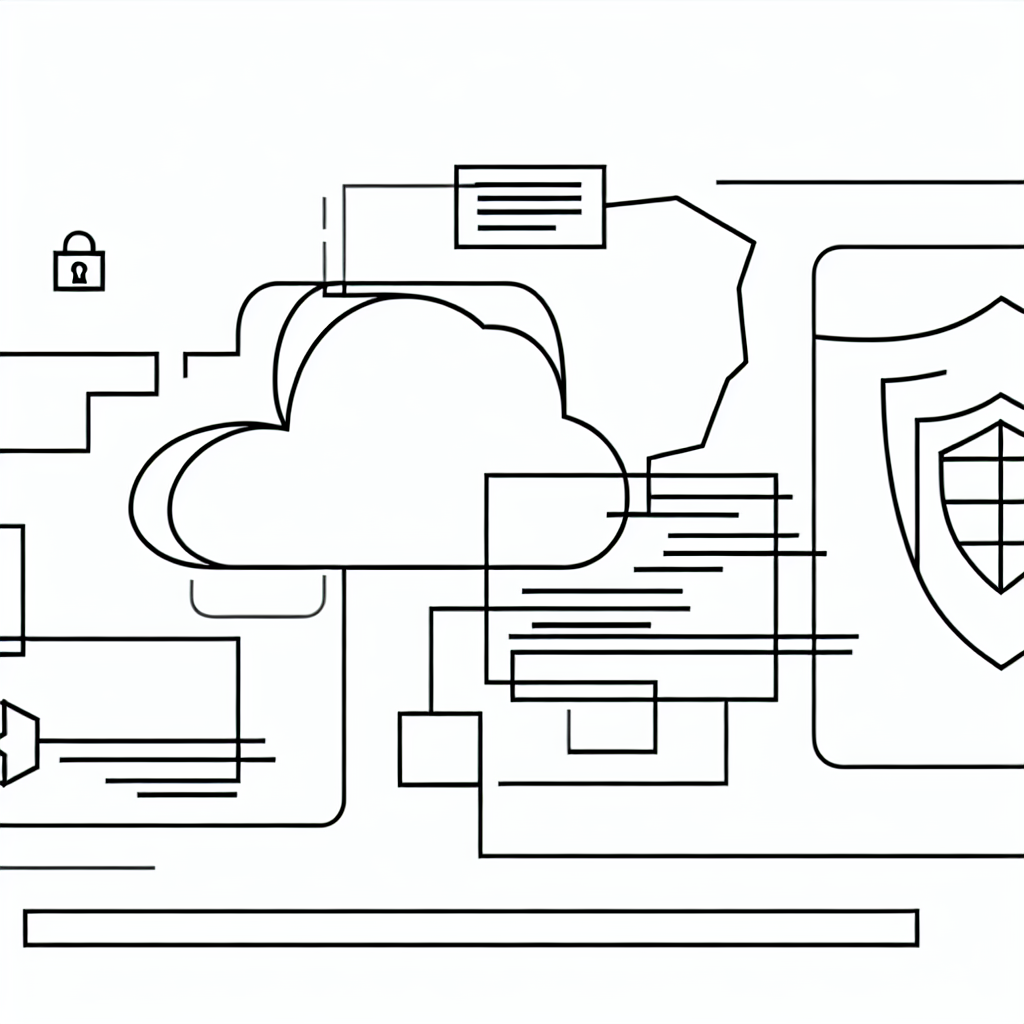
Furthermore, regular security audits and compliance checks are essential to ensure that serverless applications adhere to industry standards. As serverless technologies continue to evolve, keeping abreast of the latest security practices will be crucial for organizations looking to harness the full potential of this architecture.
The Future of Serverless Computing
Looking ahead, serverless computing is likely to continue its upward trajectory as more organizations recognize its benefits. The integration of serverless architectures with emerging technologies, such as Artificial Intelligence (AI) and the Internet of Things (IoT), will create new opportunities for innovation. As these technologies become more prevalent, serverless computing can facilitate the rapid deployment of intelligent applications that respond to real-time data and insights.
Additionally, advancements in serverless frameworks and tools will streamline the development process, making it easier for teams to adopt serverless architectures. Developers can expect to see more robust monitoring solutions, improved debugging tools, and enhanced security features tailored specifically for serverless environments. These developments will further empower organizations to embrace serverless computing as a viable strategy for application deployment.
In conclusion, the trends in serverless computing architectures represent a significant shift in how applications are built and managed. By understanding the implications of this approach, organizations can better position themselves to leverage the advantages of serverless solutions, ultimately enhancing their agility and responsiveness in an ever-evolving digital landscape.